Health
Democrats Warn Medicaid Cuts Could Impact 330K Illinois Residents. Republicans Say Waste, Abuse Need to be Targeted
Illinois Democrats are sounding the alarm over President Donald Trump’s new tax and spending cuts law.
Officials are warning that millions of Americans could lose their insurance under changes in the law — including 330,000 people in Illinois who could be impacted by changes to Medicaid.
However, Republican lawmakers say the changes are aimed at eliminating waste, fraud and abuse in the system.
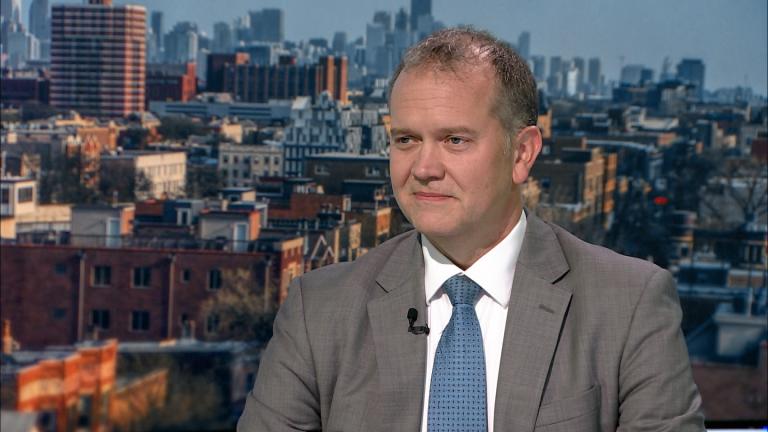
“It’s important to remember exactly why Congress is doing that, and they’re doing it to provide tax cuts for billionaires in this country,” said Jeremy Rosen, director of economic justice at Shriver Center on Poverty Law. “They’ve actually made the choice to take assistance away from the lowest income people in the country and hand it right over to billionaires who simply don’t need it.”
The legislation contains about $4.5 trillion in tax cuts.The existing tax rates and brackets would become permanent under the bill, solidifying the tax cuts approved in Trump’s first term.
The wealthiest households would see a $12,000 increase from the legislation, and the bill would cost the poorest people $1,600 a year, mainly due to reductions in Medicaid and food aid, according to the nonpartisan Congressional Budget Office analysis of the House’s version.
“Everybody knows we are spending way too much in Illinois on taxes. We have the highest property taxes, second highest gas taxes, highest cell phone taxes. People are being taxed out,” said Ted Dabrowski, president and CEO of Wirepoints. “The right method is to have a booming economy where people aren’t depending on government medical insurance.”
More than 71 million people rely on Medicaid, which expanded under Obama’s Affordable Care Act, and 40 million use the Supplemental Nutrition Assistance Program. Most already work, according to analysts.
The package includes new 80-hour-a-month work requirements for many adults receiving Medicaid and food stamps, including older people up to age 65. Parents of children 14 and older would have to meet the program’s work requirements.
There’s also a proposed new $35 co-payment that can be charged to patients using Medicaid services.
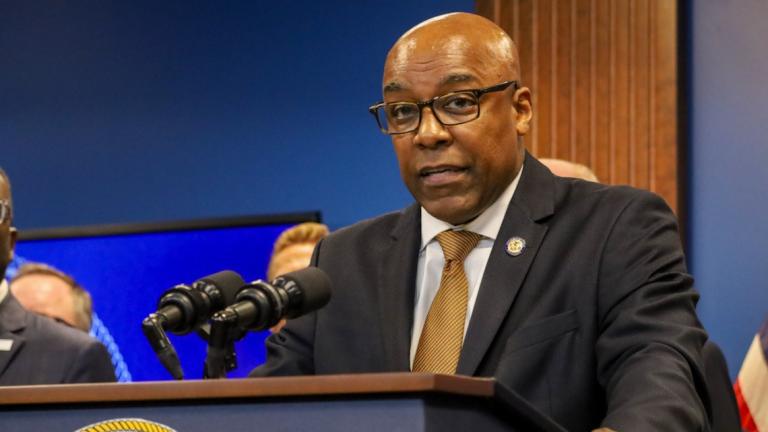
Illinois Gov. JB Pritzker said in a released statement, “The widespread health and economic impacts of the largest cut to Medicaid in American history will be devastating for years to come. It will cost people their livelihoods, strain working families, shutter hospitals, and slash reproductive healthcare. In Illinois, we will never waver in our commitment to fighting for our people and doing everything in our power to mitigate the impact of this devastating bill.”
According to an analysis by KFF, the cuts would translate to about $48 billion in Illinois over the 10 year period, or about 20% of what the state would otherwise receive. The program covers about 3.4 million people in Illinois, 44% are children, 9% are seniors, and 7% are adults with disabilities.
“When you have 25% of your population on something like this, something’s not good in the economy,” said Dabrowski. “Since Gov. Pritzker took over, we’ve had the fourth worst economy in the country. We’ve created almost no private sector employment. When you don’t create jobs and your economy won’t grow, you have more people dependent on Medicaid.”
From the statement released from the governor’s office nine rural hospitals and over 90 nursing homes could face closure in Illinois.
“That doesn’t just affect people on Medicaid. That affects everyone in that community, including people on private health insurance who depend on that hospital,” said Rosen. “Folks may have to drive 50, 100 miles to get to the nearest hospital that obviously provides huge health care concerns, especially in case of an emergency.”
Advocates warn the bill will cause health care providers to shut down or reduce services provided eventually resulting in job loss.
“The majorities in Congress have talked about lowering costs, talked about the cost of living being too high and talked about the need to help people afford the basic essentials in life. Well, two of the biggest essentials in life are food assistance and healthcare. What they’re doing with this bill is making it harder to afford those costs,” said Rosen.
Associated Press contributed to this report.